

Berlin-Xemi 130 yildan ortiq vaqtdan beri farmatsevtika mahsulotlarini yaratish, ishlab chiqarish va tarqatish bilan shug’ullanadi, hamda 1992 yildan beri Italiyaning yetakchi farmatsevtik kompaniyasi bo‘lgan Menarini Gruppga tegishli sho‘ba korxonasi hisoblanadi.
Menarini Grupp haqida ko'proq bilib oling
Mutaxassislarga

Berlin-Chemie Online Academy bilan tanishing — bu tibbiyot mutaxassislari uchun innovatsion ta’lim maydoni. Dunyoning yetakchi ekspertlari tomonidan ishlab chiqilgan noyob fanlararo dasturlar sizga bemorlarda eng yaxshi klinik natijalarga erishishda yordam beradi.
Gout
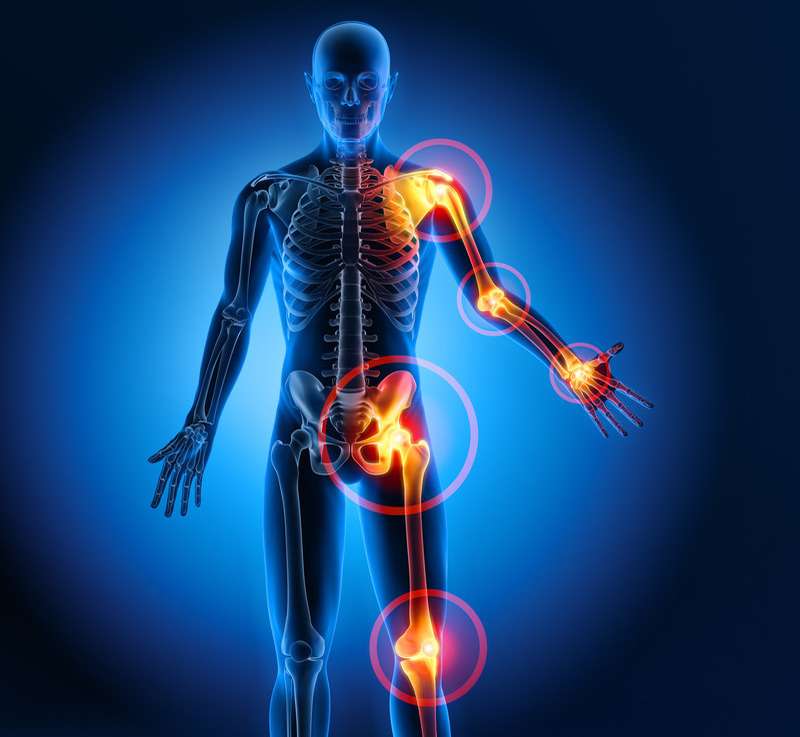
Gout is a common type of inflammatory arthritis that is distinguished by abrupt, intense episodes of pain, swelling, redness, and tenderness in one or several joints. Typically impacts the joint of your largest toe. However, it has the can affect several additional joints such as knees, ankles, feet, hands, wrists, and elbows. “Flares” refer to periods when symptoms worsen, while “remission” refers to periods when there are no symptoms. If gout keeps coming back, it can turn into gouty arthritis, a kind of arthritis that worsens over time.
Gout is a result of hyperuricemia, where there is too much of uric acid in the body. Uric acid is produced by the body when it breaks down purines, compounds present in both the body and the food consumed. Too much of uric acid in the body can lead to forming of uric acid crystals in joints, bodily fluids, and tissues. However, not everyone with high uric acid levels gets gout. People without symptoms usually don't need treatment.
On a global scale, it is estimated that there are at least 53 million people with the diagnosis of gout. Many of these people are not properly diagnosed, and less than half of them receive treatment with uric acid-lowering medicines.
Over the past 30 years, the number of people with gout has increased from 22 million to 53 million. The rate of new cases has also risen.
The treatment of gout often involves both symptom management (managing pain) during a flare-up and a reducing high-purine foods and beverages. Doctors may prescribe medications like NSAIDs, colchicine, corticosteroids, and uric acid-lowering drugs like allopurinol or febuxostat to help control symptoms and prevent future flares.